Experiential Marketing
8 minutes
In brief
A practical look at experiential corporate events: which formats earn their budget, how to measure them, and what Istanbul and Dubai each offer. From Eventkraft's production team.
Most corporate events still ask their audience to sit still and receive information. Experiential events ask them to do something instead, and that single structural difference is what changes recall, content volume, and pipeline. This is a working guide from our production floor: which formats justify their cost, what they realistically require, and how to defend the spend after the lights come down.
Experiential marketing is not a style of decoration. It is a decision to design an event around participation rather than presentation, and it changes the budget, the timeline, and the way you measure success.
Experiential means participation, not production value
A large LED wall and a well-lit stage do not make an event experiential. The test is simpler than most briefs assume: at any point in the run of show, is the audience doing something, or watching something? An experiential event is built so that guests make choices, handle objects, contribute content, or move through space in an order they control. Everything else, including impressive production, is scenery around that decision. This matters commercially because participation is what produces memory, and memory is what you are paying for. A guest who assembled something, tasted something, or was named on a screen retains the brand association far longer than one who watched a forty-minute keynote from row eleven. When we brief a client, we ask them to describe the single action they want each guest to take. If that sentence is hard to write, the event is still a presentation with better lighting.
Three formats that pay back, and one that usually does not
Hands-on product environments work when the product is physically or visually interesting and the audience is qualified. Guests use the thing, ask real questions, and leave with an informed opinion, which is why this format suits launches and dealer or partner events. Small-format immersive dinners work when the goal is relationship depth rather than reach: twenty to sixty guests, a designed narrative across the courses, and enough intimacy that senior attendees actually talk. Participatory conference formats work when a large group must reach alignment: structured workshop blocks, live voting, and breakout outputs that appear on the main stage before the day ends. The format that rarely pays back is the branded photo installation with no other purpose. It generates a short burst of social content and almost no commercial signal. If your only interactive element is a backdrop, the budget is better spent on fewer guests and a deeper format.

The metrics that survive a finance review
Experiential budgets get cut when they are defended with adjectives. Define the measurement model before you design, and instrument it into the run of show rather than bolting a survey on at the end. Four numbers hold up in most reviews. Qualified interactions: how many attendees completed the designed action, counted at the station rather than estimated. Dwell time in the interactive zones, which tells you whether the design worked or whether people passed through politely. Captured intent: demo requests, meeting bookings, or sample orders taken on site, attributed to the event and handed to sales the same week. Cost per qualified interaction, which is the figure that lets you compare this event against your next one and against paid media. Sentiment and social reach are useful context, not proof. We report the four numbers above against targets agreed in the brief, and we agree them before the concept is signed so that nobody is inventing success criteria afterwards.
What each city gives you, and what it costs you
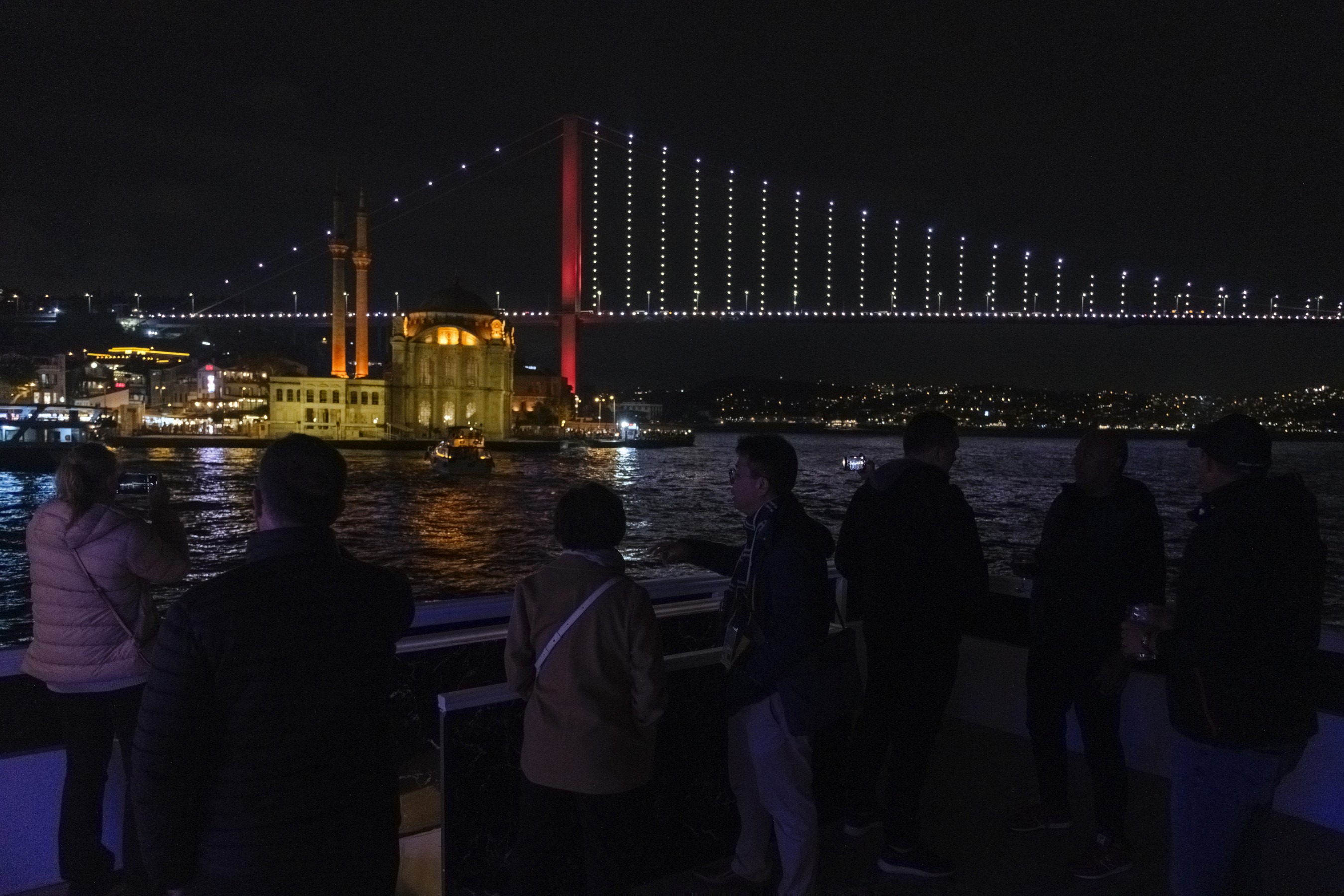
Istanbul gives you production value per euro that is difficult to match in Western Europe, at roughly thirty to forty percent below comparable London or Amsterdam budgets, plus venue character that no build can fake: Ottoman-era interiors, Bosphorus waterfronts, and raw industrial spaces in Karakoy and Bomonti. Fabrication is fast and local, and craft trades are genuinely skilled, which makes custom builds realistic on shorter timelines. The trade-offs are seasonality, since May, June, September, and October carry both the best weather and the tightest venue availability, and the fact that most international clients need a local partner to contract suppliers and handle permits. Dubai gives you infrastructure certainty, a year-round five-star inventory, and an audience of senior decision-makers concentrated in a small geography. Landmark venues carry weight, and regional media attends. The trade-offs are cost, roughly two to three times Istanbul for an equivalent build, and process: DTCM permits, venue contractor approvals, and protocol requirements need to sit in the timeline from week one rather than week six. Brands running both markets in one year get the most leverage by designing the concept once and producing it twice, which is the reason we operate production teams in both cities rather than exporting one team on planes.
What five years of these events taught us
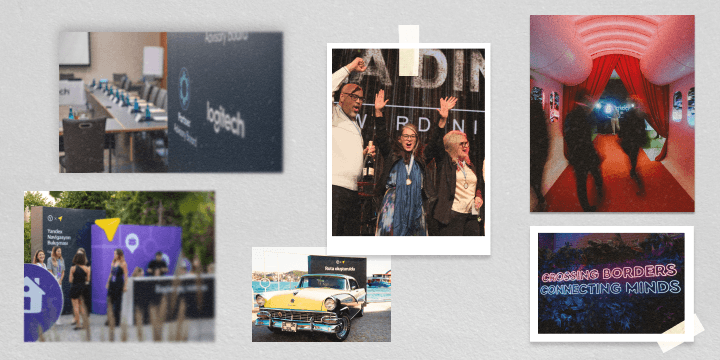
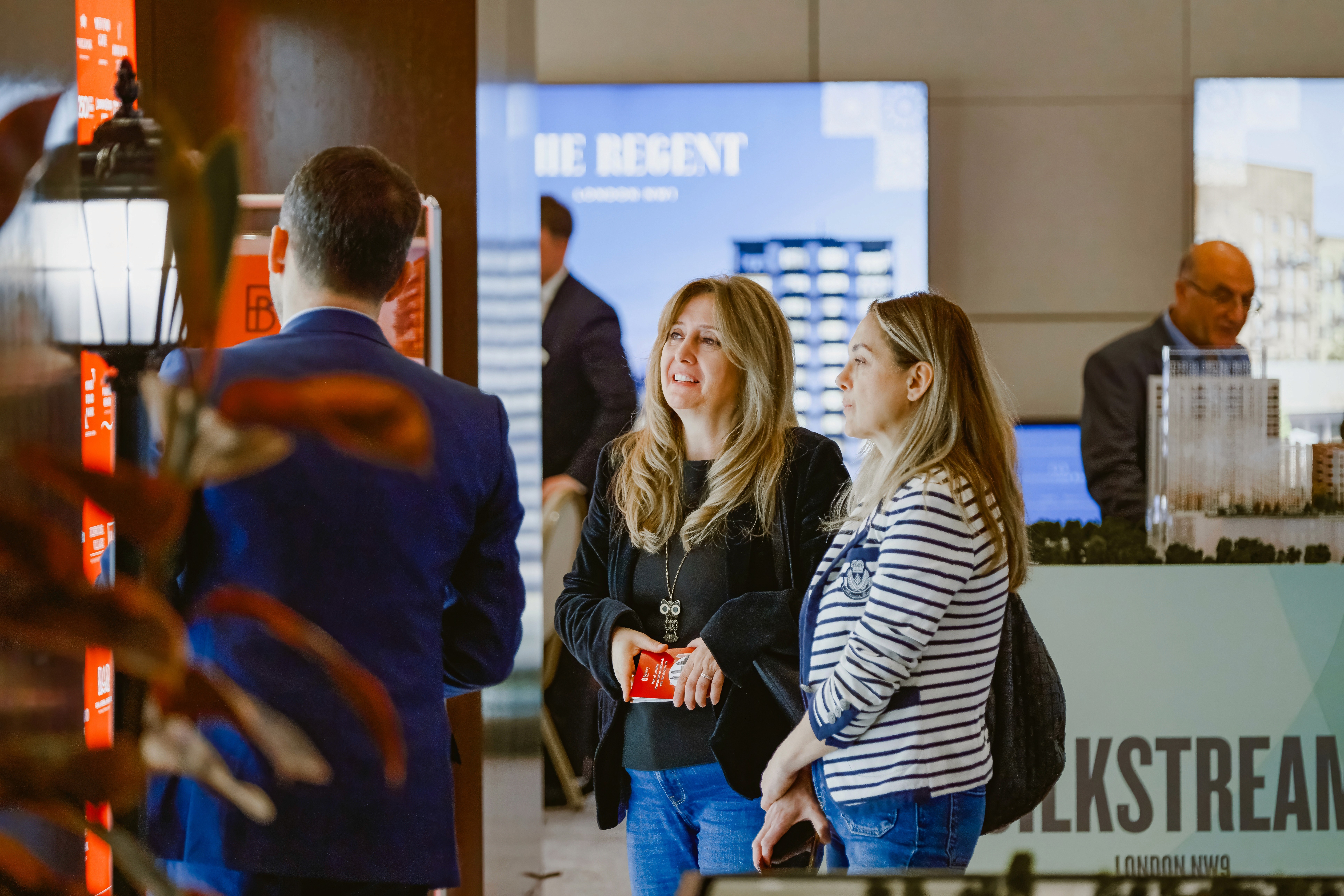
We have produced participation-led events for Logitech, Yandex Ads, Berkeley Group, and Tenthpin, and government-scale work including the Ajman 2030 Vision launch for three hundred guests with VVIP attendance and regional media. Three lessons repeat. First, the interactive element needs a host. An unstaffed station gets used by the confident ten percent; a trained host raises completion dramatically, and staffing is the cheapest line item that changes outcomes. Second, rehearsal is not optional for participatory formats. A presentation can survive being under-rehearsed; a format where guests move, choose, and produce output cannot, and we schedule a full technical and flow rehearsal the day before rather than a walkthrough on the morning. Third, the concept must survive translation. A mechanic that lands in London can read as intrusive in the Gulf or overly formal in Istanbul, so we test the guest action with local team members before it reaches a client deck.
If you are planning an experiential event in Turkey or the UAE
Experiential work is not more expensive by nature. It is differently expensive: less spend on stage scale, more on the designed interaction, the people who run it, and the rehearsal time that makes it hold together. Get the guest action and the measurement model agreed before the creative sprint, and the rest becomes a production problem rather than a matter of taste. Eventkraft designs and produces these events in-house from Istanbul and Dubai. Send us the objective and the audience, and you will have a concept direction, a line-item budget, and a measurement plan within one week.
Frequently Asked Questions
What makes an event experiential rather than just well produced?
How do you measure the ROI of an experiential event?
Is an experiential event more expensive than a standard conference?